The Golden Era of Sri Lankan Railways: The Rise of the Express Trains
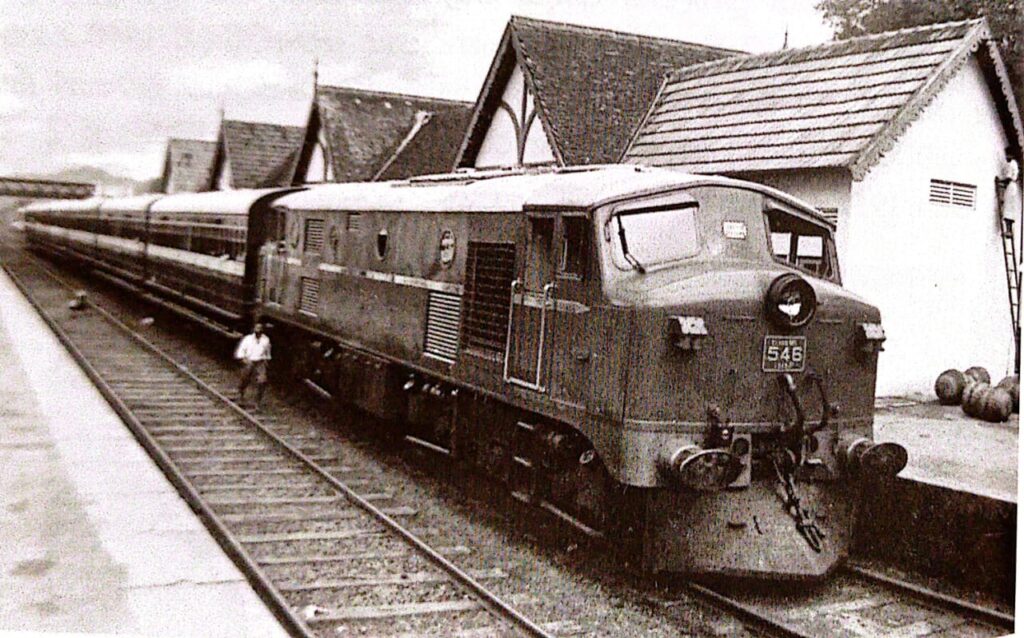
The history of travel in Sri Lanka changed forever in the mid-20th century, transitioning from the rhythmic chugging of steam to the high-speed efficiency of diesel power. This evolution gave birth to the iconic “named” express trains that still capture the imagination of travelers today. The Shift from Steam to Diesel Sri Lanka’s railway journey began on December 27, 1864, with a modest trip from Colombo to Ambepussa. For decades, steam was king, but by the mid-1930s, the Railway Department began experimenting with diesel engines to improve speed and economic viability. By the early 1950s, the government made a landmark decision to stop importing steam engines entirely. The final batch of steam locomotives arrived in 1951, marking the end of an era. The Arrival of the M1 Class Locomotives To modernize the fleet, 25 diesel-electric locomotives were ordered from the Brush Bagnall company in Great Britain and delivered in 1953. These were designated as M1 Class engines. Power and Speed: These locomotives boasted 1,000 horsepower and could reach top speeds of 65 miles per hour. Distinctive Design: To make them stand out, they were painted in a vibrant color scheme of blue, green, and cream. Historical Moment: Photo 1-1 in the archives shows M1 engine No. 540 being unloaded at the Colombo Port, a symbol of the country’s moving toward a faster future. The Birth of “Brand Name” Trains On August 30, 1954, the Sri Lankan railway underwent a “branding” revolution. For the first time, express services were given unique names to make them more attractive to the public. The inauguration ceremony was held at Colombo Fort, led by the Minister of Transport and Works, Montague Jayawickrama. The three original “Sister” express services were: Mahanuwara Express: Connecting Colombo to Kandy. On its first trip, it famously reached Kandy 10 minutes ahead of schedule. Ruhunu Express: Serving the coastal belt from Colombo to Matara. Yalpanam Express: The vital link between Colombo and Jaffna. Note on the Ruhunu Kumari: The text clarifies a common historical misconception: the Ruhunu Express launched in 1954 is not the same as the Ruhunu Kumari. The Ruhunu Kumari was launched later, on October 24, 1955, under the visionary leadership of General Manager B.D. Rampala. Why Name a Train? Before this period, trains were mostly identified by their numbers or destinations. The introduction of names like “Express” added a sense of prestige and reliability. The Yalpanam Express, for instance, was specifically designed as a night mail service to meet the high demand for comfortable overnight travel to the North, complete with sleeping berths. This modernization period, driven by the M1 locomotives and the introduction of named services, laid the foundation for the vibrant railway culture Sri Lanka enjoys today.
Family Adventures: Train Travel with Kids on Sri Lanka’s Scenic Routes

Family Adventures: Train Travel with Kids on Sri Lanka’s Scenic Routes Imagine a journey where the views out your window are a constantly changing masterpiece, where the rhythmic click-clack of the tracks lulls you into a state of relaxed wonder, and where every stop offers a new slice of local life. Welcome to train travel in Sri Lanka – an unforgettable adventure, especially when shared with your family. For international explorers and local rail enthusiasts alike, Sri Lanka’s railways offer a unique, immersive, and incredibly scenic way to discover the island’s heart and soul. Why a Train Journey is the Ultimate Family Escape In an age of hurried travel, the gentle pace of a Sri Lankan train journey is a breath of fresh air. It transforms the act of getting from A to B into an experience in itself, creating priceless family bonding moments. Unlike navigating congested roads or the rush of air travel, trains offer spacious seating, room for children to move, and an uninterrupted panorama of stunning landscapes. It’s an opportunity to truly unplug, reconnect with your loved ones, and engage all your senses in the vibrant tapestry of Sri Lanka. Kids are naturally captivated by the world outside the window – from waving at villagers to spotting exotic birds – making for an engaging and educational experience. Iconic Routes: A Kaleidoscope of Landscapes The Misty Embrace of the Hill Country Express: Kandy to Ella Arguably the most famous and breathtaking route, the journey through Sri Lanka’s central highlands from Kandy to Ella (or its shorter, equally stunning segment from Nanu Oya to Ella) is an absolute must. As the iconic blue train carves its way through emerald-green tea plantations, mist-shrouded peaks, and dense forests, you’ll witness a landscape that feels pulled from a postcard. Lean out of an open window (safely, of course!) to feel the crisp, cool air and inhale the delicate aroma of Ceylon tea. Children will delight in spotting cascading waterfalls, waving to tea pickers in vibrant saris, and marvelling at engineering wonders like the Nine Arch Bridge, a magnificent colonial-era viaduct near Ella. The 6-7 hour journey unfolds a continuous narrative of natural beauty and rural charm. Coastal Charm: Colombo to Galle For a different, yet equally captivating, family adventure, the coastal train line from Colombo to Galle offers spectacular views of the Indian Ocean. The tracks often run mere meters from the shoreline, offering a unique perspective of golden beaches, swaying palm trees, and the endless blue expanse of the sea. Imagine the salty breeze drifting through the carriage as you pass quaint fishing villages and bustling beach towns. This shorter, 2-3 hour journey is perfect for younger children, providing a relaxed introduction to Sri Lanka’s coastal beauty before exploring the historic Galle Fort, a UNESCO World Heritage site rich in Portuguese, Dutch, and British colonial history. Keeping Little Explorers Engaged: Practical Tips for Smooth Journeys Book in Advance: Popular routes, especially the Hill Country trains and the observation car, sell out quickly. Secure your tickets online via the official Sri Lanka Railways website or reputable agents well in advance (up to 30 days is recommended for reserved seats). Choose Your Class: First-class reserved offers air-conditioned comfort and a quieter atmosphere, while second-class reserved provides openable windows and a more authentic, interactive experience with locals. The observation car, available on some routes, offers panoramic views and is highly recommended for scenic journeys. Pack Smart: Bring plenty of snacks, water, wet wipes, and small entertainment like coloring books or travel-sized games. The hill country can get chilly, so light layers or a jacket are advisable. Don’t forget comfortable shoes for exploring stations! Embrace the Pace: Sri Lankan trains can sometimes be delayed, but this is part of the charm. View it as extra time to soak in the surroundings, observe local life, and bond as a family. Safety First: While train travel is generally safe, always supervise children, especially near open windows or doorways. Keep an eye on your belongings. Local Delights: At many station stops, vendors hop on, offering delicious local snacks like crispy ‘isso wade’ (prawn fritters), fresh fruit, and sweet coffee. It’s a delightful sensory experience and a taste of authentic Sri Lankan culture. A Journey Through Time and Culture The very tracks you travel on tell a story. Sri Lanka’s railway system, established by the British in 1864, was initially built to transport coffee and later tea from the central highlands to the ports for export. Today, it has evolved into a vital artery for locals and a cherished attraction for tourists, offering an unfiltered glimpse into daily life. As you journey, you’re not just moving through space, but through a living history, connecting with the island’s heritage and its incredibly warm, child-loving people. Beyond the Tracks: Memories That Last a Lifetime A family train adventure in Sri Lanka is more than just a holiday; it’s an immersive narrative, a sensory feast, and a collection of moments that will be cherished long after you’ve returned home. From the wonder in your child’s eyes as they peer at misty peaks to the shared laughter over a local snack, these journeys foster a deeper connection – with each other, with nature, and with the enchanting culture of Sri Lanka. So pack your bags, prepare for awe-inspiring views, and let SriLankanRailways.com guide you to your next unforgettable family adventure on the tracks less traveled. https://www.youtube.com/watch?v=ccehtd2BSnA
Colombo to Kandy Train Ride 2025
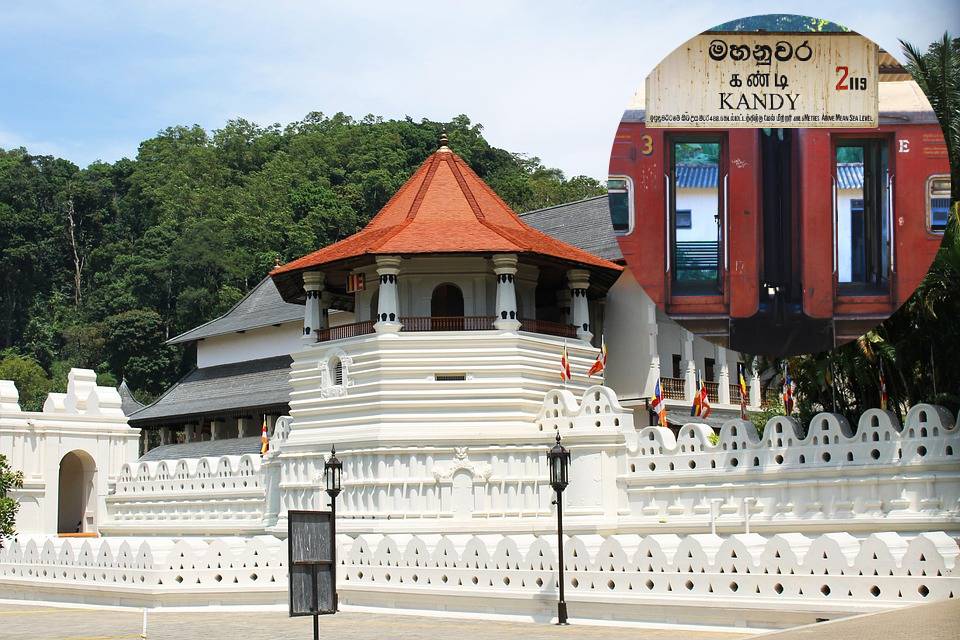
If there’s one railway journey every traveler should experience in Sri Lanka, it’s the Colombo Fort to Kandy train ride. Known as one of the most scenic train journeys in the world, this route combines history, culture, and breathtaking landscapes into an unforgettable adventure. Starting at Colombo Fort Railway Station The journey begins at Colombo Fort Railway Station, the busiest and most historic railway hub in Sri Lanka. The station itself feels alive with energy: vendors selling short eats like samosas and cutlets, families waiting eagerly on the platforms, and the rhythmic hum of the diesel engine preparing to climb into the highlands. For train lovers, even the sound of the whistle is enough to stir excitement. From City to Countryside As the train pulls out of Colombo, skyscrapers fade into coconut groves and rice paddies. The rhythm of the train matches the slow transition from the busy capital to the peaceful countryside. Along the way, small stations appear like little worlds of their own—children wave happily, fruit sellers hop on with bags of guava and pineapple, and railway staff in crisp uniforms signal the train with pride. The Highland Ascent The true magic of the Colombo to Kandy train begins as the railway winds into the Central Highlands. The track curves around valleys filled with lush tea plantations, where women in bright saris move gracefully between rows of green leaves. Cool mountain air flows through the windows, carrying with it the scent of eucalyptus and earth. Looking out, you’ll see mist-covered hills and deep valleys—a view that makes this train ride famous across the globe. People and Shared Moments What makes this one of the best train rides in Sri Lanka isn’t just the scenery—it’s the people. Locals and travelers share snacks, stories, and laughter. Some lean out of the doors to feel the mountain breeze rush past, while others sip hot tea bought from onboard vendors. Every carriage becomes its own little community, united by the joy of the journey. Arrival in Kandy – Temple of the Sacred Tooth Relic The final stop, Kandy Railway Station, sits in the heart of Sri Lanka’s hill capital. Kandy is not only a UNESCO World Heritage City, but also home to the Sri Dalada Maligawa (Temple of the Sacred Tooth Relic)—one of the most sacred Buddhist temples in the world. Visiting the temple after such a breathtaking train ride adds a deep cultural and spiritual meaning to the journey. Why This Train Ride is Unforgettable The Colombo to Kandy train ride is more than just transportation—it’s a story written across rails, mountains, and people. From the engine’s roar to the misty hills of the highlands, every moment is a reminder of why Sri Lanka’s railways are world-famous. For travelers planning their trip, this is not just a train ride. It is the gateway to discovering the true beauty of Sri Lanka. Travel Tips for the Colombo to Kandy Train Ride As a traveler with an endless love for trains, nothing quite prepared me for the experience of boarding the iconic Colombo Fort to Kandy train. This isn’t just a journey—it’s a rolling adventure through the very soul of Sri Lanka. The excitement begins the moment I step into Colombo Fort Railway Station. The station itself is a living museum: vendors carrying snacks wrapped in newspapers, the smell of fresh samosas and tea drifting through the air, and a buzz of passengers waiting with anticipation. Then comes the sound I’ve been waiting for—the growl of the diesel engine as it prepares to haul us into the highlands. As the train eases out of Colombo, the city slowly fades into the background. Tower blocks give way to coconut palms, and soon I’m looking out at lush green paddy fields glistening under the sun. Each small station we pass tells its own story: children waving energetically, vendors hopping aboard to sell peanuts and cut fruits, and railway staff in crisp white uniforms giving signals with pride. The higher we climb, the more dramatic the scenery becomes. The train snakes along tight bends, and suddenly, I’m staring down at valleys blanketed in tea plantations. The air cools noticeably, and mist begins to hang low between the hills. Watching tea pickers dotting the fields in their colorful attire feels like stepping into a postcard. What makes this journey special isn’t just the scenery—it’s the people. Families share home-cooked meals with strangers, travelers lean out of the windows to feel the wind rushing by, and conversations spark between locals and foreigners over cups of hot chai bought from the onboard vendors. There’s a sense of community here, as if everyone is part of one big adventure. And then comes the grand finale—the arrival into Kandy. The city, nestled among emerald-green hills, welcomes the train with open arms. For many travelers, the first stop is the world-famous Sri Dalada Maligawa (Temple of the Sacred Tooth Relic). This sacred Buddhist temple, said to house a relic of the Buddha himself, is a place of spiritual beauty and cultural pride. After a train ride filled with nature’s wonders, stepping into this temple adds a profound cultural layer to the journey. For me, this wasn’t just a train ride. It was the best I’ve ever had in Sri Lanka—a journey where the engine, the rails, the people, and the landscapes all came together to tell a story. A story of a nation’s pride, of timeless beauty, and of why Sri Lanka’s railways are among the most unforgettable in the world.
Top 10 Train Journeys in Sri Lanka a traveler’s guide
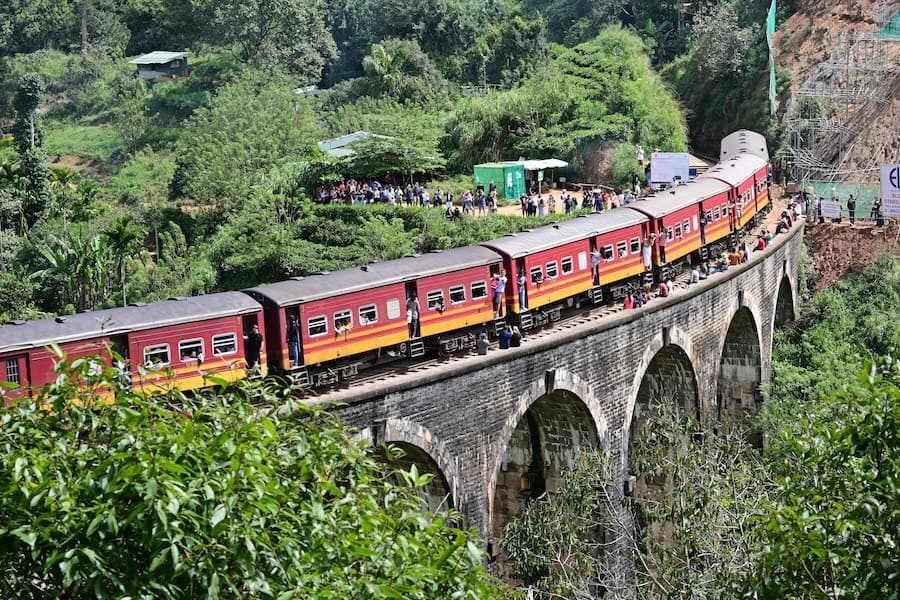
Sri Lanka is small but mighty when it comes to scenic train rides. From tea-clad mountains to palm-fringed coasts, the island’s railways serve up some of the world’s most photogenic journeys. Below are the ten must-ride routes, with quick practical tips, why each ride is special, and suggestions for images/maps you can embed on the post. 1. Kandy → Ella (Main Line / Badulla section) — the crown jewel Why ride: This stretch through the hill country is famous for rolling tea estates, misty valleys and iconic photo moments (like trains crossing the Nine-Arch Bridge). It’s widely regarded as one of the world’s most scenic rail rides. Lonely PlanetTips: Book 1st class or reserved 2nd class well in advance during high season; aim for an early morning departure for the clearest light.Suggested map pin: Kandy → Ella via Nanu Oya (show elevation profile).Image: Nine-Arch Bridge, tea terraces and the blue train. 2. Nanu Oya (Nuwara Eliya) → Ella — tea-country magic Why ride: Shorter than the full Kandy–Ella run but concentrated with dramatic switchbacks, tunnels and plantation panoramas — it feels like being inside a moving postcard. Great for travelers based in Nuwara Eliya. roytellstales.comYouTubeTips: Sit on the left traveling toward Ella for the best valley and plantation views.Image: panorama of tea terraces and tunnels; small map showing distance from Nuwara Eliya town to Nanu Oya station. 3. Ella → Badulla — highland finale Why ride: The route climbs and drops through some of the steepest, greenest terrain in Sri Lanka — perfect if you want dramatic ridgelines and quieter stations. Many vlogs highlight the stretch from Ella to Badulla for its remote charm. YouTubeTips: Buy snacks at Ella station; vendors hop on and off with fresh local bites. 4. Colombo Fort → Galle (Coastal Line) — sea on one side, palms on the other Why ride: The coastal line runs tantalizingly close to the Indian Ocean for long stretches — beaches, fishermen and classic coastal towns roll by outside the window. It’s a calm, sunlit counterpoint to the hill country. YouTube+1Tips: Take a daytime train; sit on the right side heading south for better sea views.Image: train hugging the coast near Hikkaduwa/Bentota; small inline map of the coastal stretch. 5. Colombo → Matara / Beliatta — extended southern coast Why ride: A longer coastal experience that includes both busy fishing villages and quieter southern beaches. Good for travellers heading to Mirissa and Galle but want the full coastal ride. 6. Colombo → Kandy (Main Line shorter hop) — cultural and scenic sampler Why ride: A classic and convenient way to reach the cultural triangle and hill country; the ride mixes paddy fields, stations alive with commuters and the first hints of elevation. 7. Colombo → Jaffna (Northern Line) — long, historic, lately revived Why ride: The long northern route gives a changing landscape — paddy plains, lagoons and towns with a distinct cultural flavour. Recent vlogs document improved services and even special overnight options, making this an appealing long-distance rail adventure. YouTube+1Tips: Overnight expresses are comfortable and save a day of travel; book reserved berths where available. 8. Kandy → Peradeniya / Hatton (Main Line gateway to Adam’s Peak) Why ride: Short sections of the main line are travel-packed: temples, university towngreen, and the start of climbs toward tea country and pilgrimage hills such as Adam’s Peak. 9. Haputale → Ella — dramatic ridges & cloud seas Why ride: A lesser-crowded slice of the hill country with steep escarpments and “sea-of-clouds” views at dawn — a dream for photographers and hikers. Many independent vloggers and walkers highlight this as a hidden gem. YouTube+1 10. Local commuter rides (Colombo suburbs / Kelani Valley line) — everyday Sri Lanka Why ride: Short, lively, and utterly local. If you want to experience Sri Lanka beyond postcards — noisy markets, friendly vendors, and authentic daily life — take a few short commuter hops around Colombo or between nearby towns. Practical info & safety tips (short)
How to Book a Train Ride in Sri Lanka
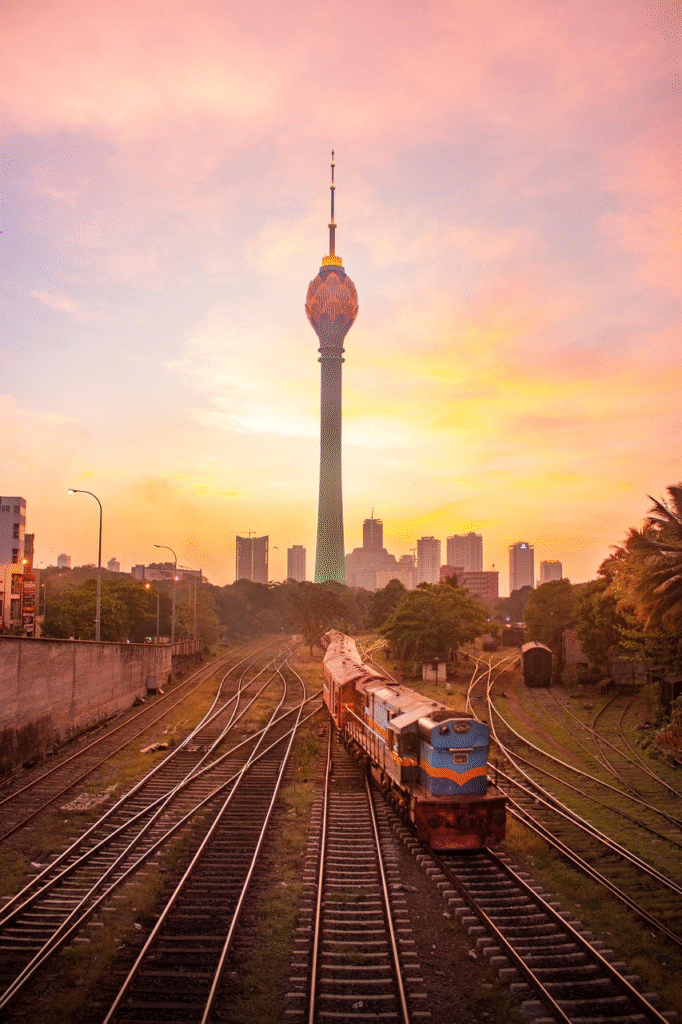
Sri Lanka’s train journeys are among the most scenic in the world — from lush tea plantations in the highlands to the golden beaches of the south coast. Whether you’re a local commuter or a curious traveler, booking a train ride in Sri Lanka is easier than ever. This guide will walk you through the different ways to reserve your ticket and ensure a smooth journey on the island’s iconic railways. 1. Understanding the Train System in Sri Lanka Sri Lanka Railways operates several main lines across the country, including: There are several classes of service: 2. Ways to Book a Train Ticket There are multiple ways to book a train ride in Sri Lanka: Option 1: Online Booking The easiest and most reliable method is booking online. Option 2: At the Railway Station You can buy tickets directly at any major station in Sri Lanka. Option 3: Through Travel Agencies or Hotels Many hotels and travel agents in Sri Lanka can assist you in booking train tickets, especially for tourists who need guidance. This is often the best option if you’re looking for first-class observation car tickets, which are limited and high in demand. 3. Tips for Booking and Traveling 4. Enjoy the Journey A train ride in Sri Lanka is more than just a way to get from point A to B. It’s an experience — with open windows, waving children, tea vendors, and breathtaking views. Don’t forget to bring your camera, some snacks, and a sense of adventure. Final Thoughts Booking a train ride in Sri Lanka is now more accessible than ever. With a little planning, you can secure a comfortable seat and enjoy one of the most unforgettable railway journeys in the world. Whether you’re riding the rails along the coast or climbing through the misty mountains, Sri Lanka Railways promises a trip to remember.
Leopold: The First Locomotive in Sri Lanka
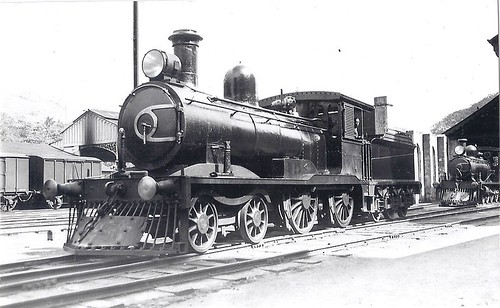
Introduction The arrival of the steam locomotive Leopold in 1864 marked the beginning of railway operations in Sri Lanka (then Ceylon). It was the first engine to haul a train on the island, ushering in a new era of transport, trade, and development. Built in England and shipped to Ceylon, Leopold holds a proud place in the history of Sri Lanka Railways as Ceylon Government Railway Locomotive No. 1. Origins and Specifications Leopold was manufactured by Robert Stephenson & Company, one of the pioneering locomotive builders in Britain. It was classified under the ML Class and carried the serial number 1263. The locomotive followed the 4-4-0 wheel configuration, which was popular at the time for its balanced design and capability to handle both speed and weight. Key specifications: First Trial and Inaugural Journey Leopold arrived in Ceylon in January 1864 and began trial runs between Colombo and Ambepussa on 7 March 1864. Later that year, on 7 December 1864, the locomotive officially pulled the first public train, marking the beginning of passenger railway service in the country. This inaugural journey was a prestigious event. Among the dignitaries on board was the Duke of Brabant, who would later become King Leopold II of Belgium. The locomotive was named in his honour. Operational History After its successful debut, Leopold served on the newly built Colombo–Ambepussa section of the Main Line, which later extended to Kandy and beyond. It was one of seven locomotives of the ML Class imported in 1864, all tasked with supporting the early expansion of railways on the island. The locomotive was operated by the Ceylon Government Railway (CGR) and remained in active service for nearly four decades. It was officially withdrawn from service in 1901, primarily due to aging mechanical components and the arrival of more modern engines. Unfortunately, Leopold was scrapped after retirement and was not preserved for display. Cultural Impact For many Sri Lankans at the time, steam locomotives were a marvel—and a mystery. Locals famously described these early iron machines as: “Anguru Kaka Wathura Bibi Colaba Duwana Yakada Yaka”(The coal-eating, water-drinking iron demon rushing to Colombo) This vivid expression shows both awe and amusement at this new technology, and it remains one of the most colorful descriptions of early railway culture in Sri Lanka. Legacy Though Leopold no longer exists, its contribution to the country’s development is immeasurable. It played a critical role in transporting goods, especially from the tea and coffee plantations in the hill country to the port in Colombo. This boosted trade and strengthened the economy under colonial rule. The legacy of Leopold lives on through: Conclusion The story of Leopold is not just about a machine—it is about how modern technology arrived on the shores of Sri Lanka and changed the course of the nation’s progress. As Locomotive No. 1, Leopold will always remain the symbolic beginning of the railway journey in Sri Lanka.
The History of Railways and Trains: From Global Origins to Sri Lanka’s Rail Legacy
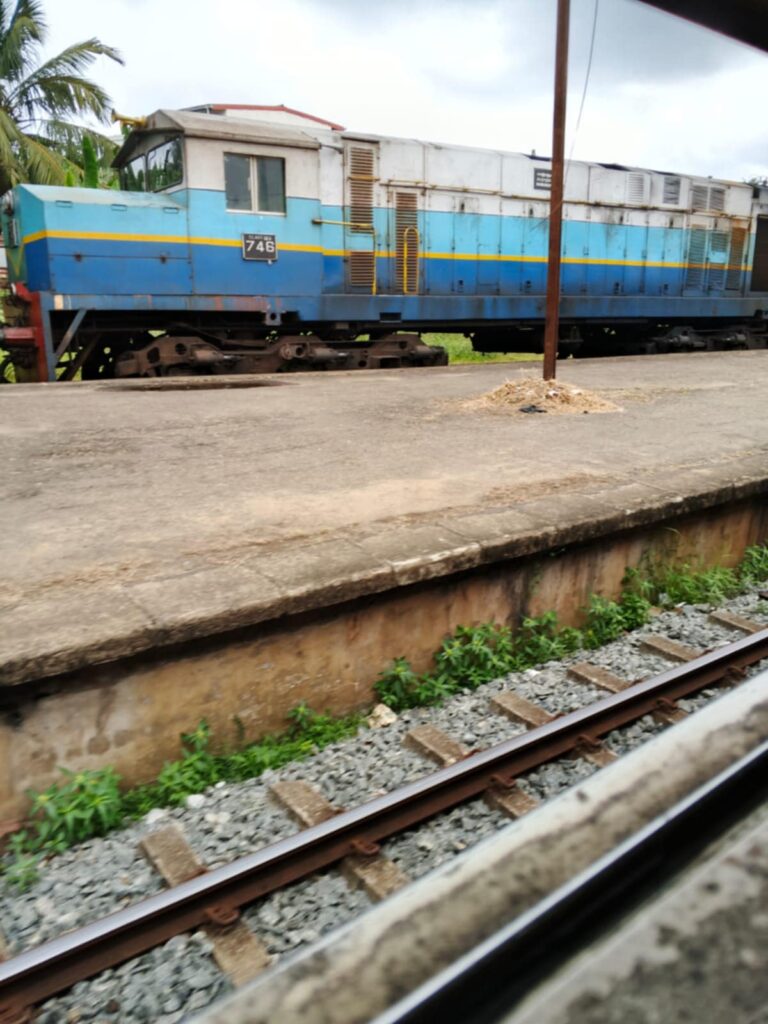
Global Origins of Railways and Trains The history of railways begins long before the invention of the steam locomotive. The earliest rail systems date back to ancient Greece and Rome, where wooden tracks were used to guide carts pulled by animals. These early “wagonways” laid the foundation for what would become one of the most revolutionary modes of transportation in human history. The true transformation came in the early 19th century during the Industrial Revolution in Britain. The first full-scale working railway steam locomotive was built by George Stephenson in 1814. In 1825, Stephenson’s locomotive, called Locomotion No. 1, pulled the first public railway train on the Stockton and Darlington Railway in northeast England. This event is considered the birth of modern railways. By 1830, Stephenson’s more advanced engine, the Rocket, ran on the Liverpool and Manchester Railway, the first inter-city railway line that operated scheduled passenger services with steam locomotives. This successful model of fast, reliable transport quickly spread across Europe, North America, and eventually the rest of the world. The railway revolution transformed economies and societies. Goods could now be transported much faster and in larger quantities. Cities grew around railway stations. Timekeeping systems were standardized. And soon, railways became vital for national defense, trade, and travel. The Arrival of Railways in Sri Lanka The story of railways in Sri Lanka (then Ceylon) is closely linked to its colonial history and the British Empire’s economic interests in the island. Railways were introduced as a solution to a growing logistical problem: transporting coffee from the hill country to Colombo’s port for export. The First Railway in Sri Lanka The first railway line in Sri Lanka was opened on December 27, 1864. This line ran from Colombo to Ambepussa, a distance of 54 kilometers. The project was overseen by the Ceylon Government Railway, established in 1858 under the guidance of British engineers. The inaugural train was pulled by a steam locomotive named “Leopold”, and the first passenger train ran on January 26, 1865. Expansion and Development After the success of the Colombo–Ambepussa line, the railway rapidly expanded to connect major agricultural and plantation areas with the capital: By the 20th century, Sri Lanka had one of the most scenic and efficient railway systems in Asia. Sri Lanka Railways Today Now called Sri Lanka Railways, the railway system remains a key part of the country’s transport network. Although the original steam engines have largely been replaced by diesel and electric locomotives, the charm and legacy of the railway live on. Trains like the Ella Odyssey and the Udarata Menike continue to attract thousands of local and international passengers, offering breathtaking views of tea estates, misty mountains, and tropical forests. The Sri Lankan railway is not just a means of transport—it is a living museum of history, culture, and engineering. In recent years, there have been efforts to modernize the system, restore old stations, and improve connectivity across the island. Conclusion From its origins in 19th-century England to its establishment in colonial Ceylon, the railway has played a vital role in shaping modern Sri Lanka. What began as a way to serve colonial plantations has evolved into a symbol of national heritage, progress, and unity. As Sri Lanka moves into the future, its railways remain a powerful link between its past and present—a journey that continues to inspire. Images By Chathura Anuradha Article Research by Sri Maal Samaraweera