Unforgettable Journeys: 5 Best Train Rides for Tourists in Sri Lanka
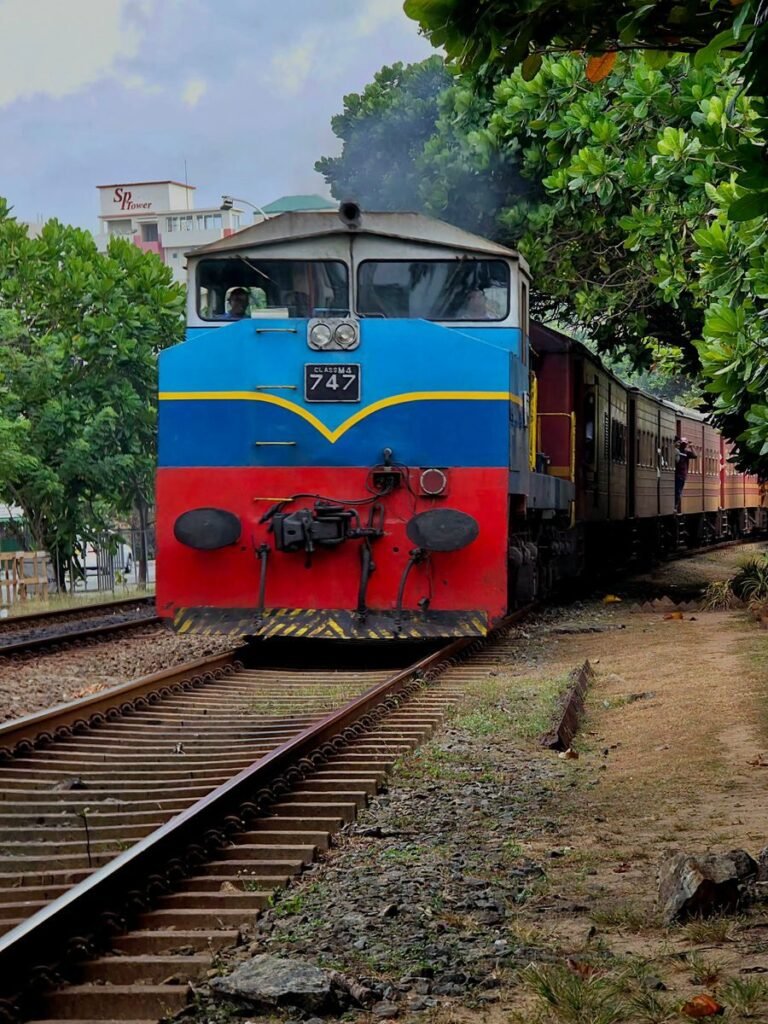
Scenic Sri Lanka Train Rides: 5 Unforgettable Journeys for Tourists Embark on unforgettable scenic Sri Lanka train rides, offering a profound way to connect with the island’s diverse landscapes and rich cultural heritage. These experiences are often regarded among the world’s most scenic, presenting a unique perspective on the country’s verdant interior, sun-drenched coastlines, and ancient cities. Sri Lanka’s railway system, established during the mid-1800s by the British to transport commodities like tea, has since evolved into a beloved mode of transport for both locals and international visitors alike, with these scenic Sri Lanka train rides now carrying millions daily. The Hill Country’s Crown Jewel: Kandy to Ella – A Premier Scenic Sri Lanka Train Ride The train journey from Kandy, Sri Lanka’s cultural capital, to the picturesque mountain town of Ella is arguably the island’s most famous and breathtaking, regularly cited as one of the world’s most beautiful train rides. This approximately 6-7 hour ride through the central highlands unfolds a tapestry of emerald tea plantations, cascading waterfalls, and misty mountain vistas. Sensory highlights include the crisp mountain air, the aroma of fresh tea leaves, and the rhythmic clatter of the train as it traverses deep valleys and numerous tunnels. Travelers often lean out of open doorways (with caution) to capture stunning photographs of the curving tracks against the lush backdrop. The iconic Nine Arch Bridge, an impressive stone viaduct from the British colonial era, is a particular highlight near Ella, with trains pausing for passengers to appreciate its architectural grandeur and the surrounding scenery. Practical Tips for Kandy to Ella Best Views: For the most dramatic scenery from Kandy to Ella, secure a seat on the right side of the train. Conversely, travelers from Ella to Kandy should aim for the left. Booking: Tickets, particularly for first and second-class reserved seats, sell out quickly. As of May 2025, tickets become available 30 days before departure, and early booking is essential, especially during peak seasons or weekends. Consider options like the Epic Main Line journey for similar highland views. Special Service: The Ella Odyssey train, a service running on specific days (Wednesdays and Saturdays from Colombo, Thursdays and Sundays from Badulla), includes dedicated photo stops at scenic points like the Nine Arch Bridge. Coastal Charm: Colombo to Galle – A Beautiful Train Journey Offering a stark contrast to the misty highlands, the train journey from Colombo to the historic city of Galle provides captivating views of Sri Lanka’s southwestern coastline. This roughly 2.5 to 3.5-hour ride hugs the Indian Ocean, with the tracks often running so close to the shore that passengers can feel the sea spray and smell the salt air, making it a truly beautiful scenic Sri Lanka train ride. The route winds past popular beaches, local fishing villages, and stretches of palm-fringed shoreline, creating a serene and visually distinct experience. Observers note that sections of this journey, where the train appears to glide over the water, evoke scenes from certain animated films. Practical Tips for Colombo to Galle Best Views: Sit on the right side of the train when departing from Colombo Fort for uninterrupted ocean vistas. Avoiding Crowds: This commuter route can be very busy. To avoid the heaviest crowds, particularly during weekdays, consider traveling outside peak hours between 07:00-09:30, 12:30-14:00, and 16:30-19:00. For an alternative cultural experience, explore the Northern Explorer to Jaffna. Stops: Consider hopping off at beach towns such as Hikkaduwa or Bentota to enjoy the sun and surf. The Northern Explorer: Colombo to Jaffna The journey from Colombo to Jaffna on the Yal Devi Express is a historically significant route that offers a profound cultural immersion into Sri Lanka’s northern regions. Reopened in 2014 after decades of civil conflict, this train connects the commercial capital with the vibrant Hindu city of Jaffna, unveiling a different facet of the island’s railway beauty. The approximately 7-hour and 10-minute journey transitions from the central plains with their coconut groves and dry-zone landscapes to the distinctive northern scenery marked by multi-hued kovils (temples) and tall palmyra palms. Passengers witness a landscape of rejuvenation, offering insights into the resilience and distinct cultural identity of the North. Practical Tips for Colombo to Jaffna Comfort: For a more comfortable experience on this longer journey, first-class air-conditioned compartments are available and can be reserved in advance through Sri Lanka Railways’ online system. Experience: This route provides an authentic opportunity to observe various communities traveling together and to sample local snacks from vendors. The Epic Main Line: Colombo to Badulla – A Grand Scenic Sri Lanka Train Journey For those seeking the quintessential Sri Lankan rail adventure, the entire 291-kilometer journey from Colombo to Badulla encompasses the full grandeur of the Hill Country Line. Acclaimed by Lonely Planet in 2025 as one of the world’s best train journeys, this 10 to 12-hour expedition traverses the island’s diverse ecosystems, from the bustling coastal lowlands to the cool, misty highlands, truly representing the best of scenic Sri Lanka train rides. This route includes all the famous segments, showcasing emerald tea estates, dramatic waterfalls, ancient rock formations, and charming colonial-era stations. Passengers on services like the Podi Menike or Udarata Menike express trains get a front-row seat to an ever-changing panorama. Practical Tips for Colombo to Badulla Optimal Timing: Morning trains, such as the Podi Menike or Udarata Menike, are recommended to experience the most scenic sections in daylight. Seat Side: After Kandy, the right side of the train offers the best views, including the famous Demodara Loop and Ella Gap. Booking: Reserved first and second-class seats on these popular express and special services can sell out within hours of becoming available 30 days prior, necessitating very early booking. For ancient history, consider the Colombo to Anuradhapura route. Gateway to History: Colombo to Anuradhapura The train ride from Colombo to Anuradhapura offers a journey into Sri Lanka’s ancient past, connecting the capital to one of the island’s oldest and most significant historical cities. Anuradhapura, a UNESCO World Heritage site, served as a
Sri Lankan Railways Reshaped Plantation Economy from Coffee to Tea Cultivation
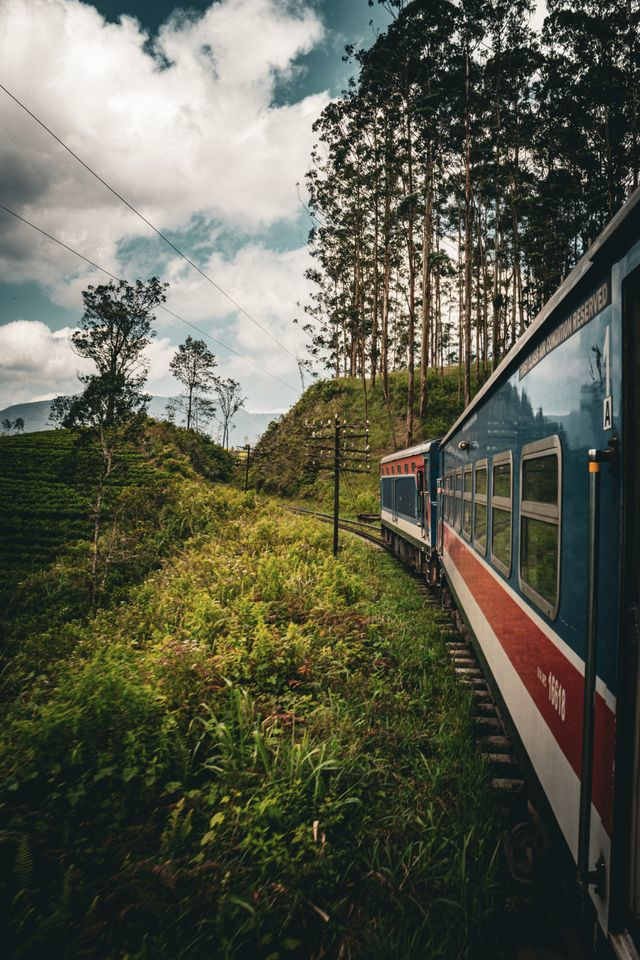
Rail was introduced in Sri Lanka in 1864 primarily to transport coffee from the hill country plantations of Kandy to the port of Colombo for export, according to Sri Lanka Railways’ historical records. The first segment of the Main Line, extending 54 kilometers from Colombo to Ambepussa, became operational on October 2, 1865. This initial railway construction, driven by the need to efficiently move coffee to European markets, was a response to the slow and inefficient bullock cart transport that previously took nearly 12 days to cover the 115 kilometers between Colombo and Kandy. The coffee industry faced collapse after 1871 due to an outbreak of coffee rust disease, Hemileia vastatrix, which devastated plantations across the island. This catastrophic event compelled planters to pivot to tea cultivation, a more resilient crop. The shift marked a profound transformation of Sri Lanka’s agricultural landscape and economy. Railways became essential for the burgeoning tea industry, facilitating the transport of tea to Colombo and moving labor, machinery, fertilizer, and food supplies to the expanding plantation areas. The Main Line, originally intended to connect Colombo with Kandy, was systematically extended deeper into the central highlands to serve these new tea estates. Service reached Kandy in 1867, Nawalapitiya in 1874, Nanu Oya in 1885, Bandarawela in 1894, and finally Badulla in 1924. This extensive railway network opened access to previously isolated regions, supporting not only tea but also coconut and rubber plantations. Engineers overcame challenging mountainous terrain, constructing numerous bridges, tunnels, and viaducts that remain architectural achievements. Notable engineering feats include the Demodara Loop, where the track spirals over itself to gain elevation, and the iconic Nine Arch Bridge near Ella. These routes were designed for efficiency but also offer passengers breathtaking views of tea gardens, mountains, valleys, and waterfalls. Today, the historic railway lines, particularly the Main Line through the hill country, are celebrated for their scenic beauty and cultural significance, drawing international travelers and local rail enthusiasts alike. Journeys such as the Kandy to Ella route are particularly renowned, winding through lush tea plantations, mist-covered valleys, and dense forests. Passengers can observe the landscape at a leisurely pace, with trains traveling at speeds of 25–40 km/h in the hill country. For current travel, reserved seats on popular routes like Kandy–Ella or Nanu Oya–Ella often sell out quickly. Travelers can book reserved tickets on the official Sri Lanka Railways website, reserverail.lk, exactly 30 days before their desired travel date. If reserved seats are unavailable, unreserved 2nd or 3rd class tickets can be purchased at the station on the day of travel. As of December 23, 2025, Sri Lanka Railways has restored train operations on the Upcountry Railway Line between Badulla and Ambewela, and the South Coast Network is operating normally.
Whispers on the Wind: Thermal Cameras, A New Dawn for Sri Lanka’s Wildlife and Rails
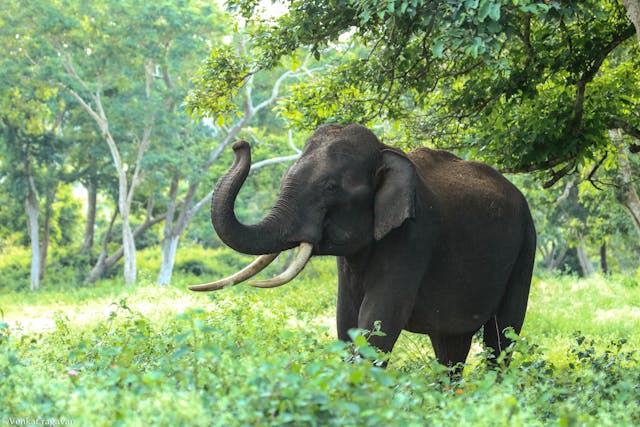
There’s an undeniable magic to a Sri Lankan rail journey. The rhythmic clatter of the tracks, the gentle sway of the carriages, and the unfolding tapestry of emerald tea plantations, ancient forests, and sun-drenched coastlines captivate the soul. Imagine gazing out as mist clings to the hills around Ella, or as the azure Indian Ocean gleams beside the southern tracks. For generations, these journeys have been more than mere transport; they are an immersion into the island’s vibrant heart. Yet, amidst this beauty, a profound challenge has persisted: the delicate dance between human progress and the majesty of Sri Lanka’s most iconic inhabitant – the wild elephant. This problem has spread to the railways as well. The Elephants collide in fast-moving trains and die. This highlights the importance of measures to prevent elephant collisions Sri Lanka is a haven for Asian elephants, revered creatures deeply woven into the island’s cultural fabric, symbolizing wisdom, strength, and good fortune. Seeing these gentle giants roam freely in their natural habitat is a bucket-list experience for many travellers. However, as rail networks expand and elephant corridors intersect with railway lines, tragic collisions between trains and elephants have, regrettably, occurred. These incidents are heart-wrenching, not only for the loss of these magnificent animals but also for the disruption and emotional toll on train crews and communities. For years, the search for an effective, proactive solution (to prevent elephant collisions) has been paramount, a quest driven by both conservationists and the Sri Lankan Railways itself. A Glimmer of Hope: Thermal Cameras Pierce the Veil of Night In a groundbreaking move towards harmonious coexistence, Sri Lanka Railways is embracing cutting-edge technology: thermal cameras. This isn’t just a technical upgrade; it’s a silent guardian, a new pair of eyes in the darkness. Imagine a train winding through a dense forest as dusk settles. To the human eye, the approaching tracks might appear empty. But through the lens of a thermal camera, the radiating heat signature of an elephant – even one partially hidden by foliage – becomes immediately visible, a glowing sentinel against the cool landscape. These sophisticated devices detect infrared radiation, the heat emitted by all living beings. Unlike traditional cameras that rely on visible light, thermal cameras can see through darkness, fog, and even light vegetation, offering an unparalleled advantage in low-visibility conditions. When an elephant is detected near the tracks, the system alerts the train driver, providing precious minutes to slow down or stop, effectively preventing a potential collision. This proactive early warning system marks a significant shift from reactive measures, safeguarding both the precious wildlife and the safety of rail passengers and personnel. Enhancing the Journey, Protecting Our Giants For the international traveler and local enthusiast alike, this innovation adds another layer of appreciation to a Sri Lankan rail adventure. Picture yourself on the iconic Kandy to Ella train, winding through dramatic mountain passes. The knowledge that unseen technology is diligently working to protect the very elephants you hope to glimpse from afar transforms the journey. It speaks to a profound commitment to sustainable tourism, where the beauty you witness is actively preserved for future generations. The vibrant greens of the tea estates and the sweeping vistas feel even more precious, knowing that conservation is at the forefront of the railway’s operations. This initiative isn’t just about technology; it’s a testament to Sri Lanka’s deep cultural reverence for elephants. These intelligent, social animals are not merely wildlife; they are living legends, central to many ancient rituals and a symbol of national pride. The adoption of thermal cameras reflects a modern dedication to upholding this ancient respect, ensuring that the ‘gaja’ (Sinhala for elephant) continues to thrive alongside a developing nation. It’s a powerful narrative of balance, where progress is achieved with profound consideration for the natural world. Travel Responsibly, Experience Deeper As you plan your next Sri Lankan rail odyssey, consider the silent heroes – both the dedicated railway staff and the advanced thermal cameras – working tirelessly to make your journey safe and responsible. While spotting an elephant from a train remains a rare and thrilling privilege, knowing that every measure is being taken to protect them enriches the entire experience. We encourage travelers to learn about and support local conservation efforts. Choose tour operators who prioritize ethical wildlife encounters and appreciate the intricate balance between human activity and the wild. The Future on the Rails: A Model for Coexistence The integration of thermal cameras represents a significant stride in ensuring that the future of Sri Lankan rail journeys is not only enchanting but also ecologically sound. This pioneering effort positions Sri Lanka as a leader in innovative wildlife protection strategies, potentially serving as a model for other regions facing similar challenges. It’s a vision where the ancient call of the wild and the modern marvel of rail transport can indeed run parallel, enriching the lives of both humans and the majestic elephants that call this incredible island home. So, step aboard, breathe in the spice-laden air, and let the journey unfold – knowing that a new dawn of safe coexistence is truly on the horizon.
Sri Lanka’s Ambitious 2026 Vision: High-Speed Rail on the Horizon
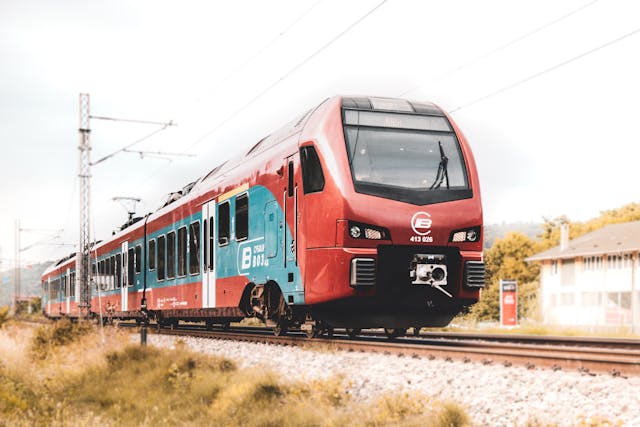
Imagine the gentle thrum of tracks beneath you, the verdant tapestry of tea plantations unfurling outside your window, or the rhythmic crash of waves accompanying your journey along the coast. For generations, Sri Lanka’s railways have offered more than just transportation; they’ve provided a poetic passage through the island’s soul. Now, as the sun rises on 2026, Sri Lanka is not merely preserving this cherished heritage but boldly charting a course towards a future of unprecedented speed and connectivity: high-speed rail on the horizon (Electric trains). Building on a Rich Legacy: The Enduring Charm of Sri Lankan Rail The island’s railway network, born in the colonial era, has long been a lifeline and a highlight for travelers. From the iconic ascent through the hill country to destinations like Ella and Kandy, where trains navigate misty peaks and skirt cascading waterfalls, to the scenic coastal line hugging the Indian Ocean, each journey is a sensory delight. The aroma of Ceylon tea from nearby estates, the cool mountain breeze, the vibrant colours of village life flashing by – these are the indelible memories forged on Sri Lanka’s tracks. While these experiences remain timeless, Sri Lanka Railways is actively investing in significant upgrades to enhance comfort, safety, and efficiency across its network. Efforts include modernizing signaling systems and rehabilitating tracks, increasing operating speeds on key lines to 100-120 km/h. The 2026 Vision: Laying the Foundations for Tomorrow The year 2026 marks a pivotal moment in the nation’s railway evolution, focusing on critical enhancements that lay the groundwork for faster, more efficient travel. A significant step forward is the Colombo Suburban Railway Project, which is slated to commence electric train services “early next year” (meaning 2027) on vital routes such as the Kelani Valley Line from Maradana to Makumbura, the Main Line from Colombo Fort to Ragama, and the Coastal Line from Colombo Fort to Panadura. This ambitious project also includes upgrading railway tracks from the existing broad gauge to standard gauge, a crucial move towards modern rail infrastructure. Beyond electrification, the government’s vision encompasses a holistic transformation. The “Dream Destination” project, launched in June 2025, aims to renovate and modernize 100 railway stations nationwide, ensuring clean, safe, and accessible facilities for all, including those with special needs. This initiative, coupled with proposals for new railway lines, such as from Kottawa to Ratnapura, and the revival of historic tourist lines like Nuwara Eliya–Nanu Oya, underscores a commitment to expanding and enhancing the network. Furthermore, post-disaster recovery and restoration efforts are fortifying the network, ensuring greater resilience against extreme weather events. Sri Lanka Railways aims for over 83% track availability by February 1, 2026, demonstrating a dedication to a robust and reliable service. High-Speed on the Horizon: A Glimpse into the Future While the immediate focus is on modernization and increasing operational speeds to 100-120 km/h, the aspiration for true high-speed rail in Sri Lanka is very much alive and “on the horizon.” Discussions are actively underway for transformative projects that could redefine intercity travel. The Sri Lanka Society of Logistics and Transport (SLSTL) has advocated for a modern, disaster-resilient rail corridor to Kandy, urging feasibility studies to commence in 2026. This proposed corridor aims to significantly reduce travel times to under 90 minutes and introduce double-track capability for up to 50 trains daily, a marked improvement from the current 20. Such a development would not only bolster tourism to the scenic hill capital but also enhance domestic connectivity. High-speed Electric Train to India Even more ambitious is the long-term vision of an India-Sri Lanka High-Speed Railway, which uses electric trains. This proposed project envisions an eight-track international rail corridor seamlessly linking Colombo with India’s vast railway network, potentially extending to New Delhi. Passenger services on this visionary line are projected to achieve design speeds of 300-350 km/h, marking a monumental leap in regional connectivity. While this is a grand, long-term aspiration, it reflects the nation’s forward-thinking approach to transportation infrastructure and its role in fostering greater economic and cultural integration in South Asia. A Welcoming Journey for All: Practical Tips and Future Benefits For international travellers and local rail enthusiasts alike, these developments promise a new era of exploration. Imagine traversing the island with greater speed and comfort, reducing travel times, and allowing more time to immerse yourselves in Sri Lanka’s wonders. The upgraded stations will offer improved amenities, making journeys smoother and more enjoyable. As the network expands and modernizes, it will integrate seamlessly with Sri Lanka’s existing charm, ensuring that while the trains become faster and more efficient, the captivating views and cultural encounters remain at the heart of the experience. Stay tuned to SriLankanRailways.com for the latest updates on these exciting developments, including electric trains in Sri Lanka. The future of rail in Sri Lanka is not just about speed; it’s about connecting communities, boosting tourism, and propelling the nation towards a prosperous and well-connected tomorrow.
Sri Lanka Railways Heralds New Era: Cabinet Approves Female Officers for Key Roles
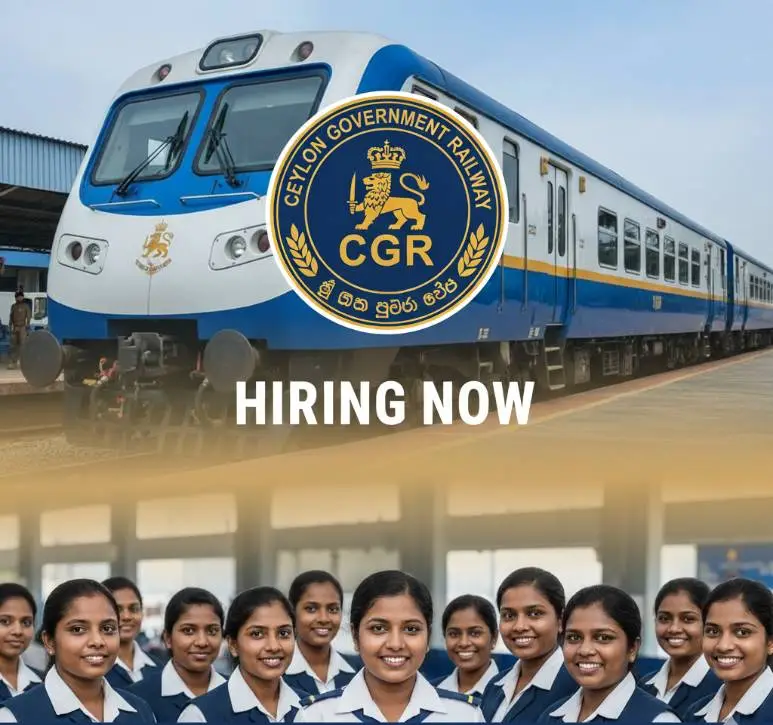
Colombo, Sri Lanka – In a monumental decision set to redefine gender roles within one of the nation’s most historic institutions, the Sri Lankan Cabinet of Ministers has granted policy approval for the recruitment of female officers into several critical operational positions within the Sri Lanka Railways Department. This groundbreaking move, approved on Monday, November 3, 2025, and widely reported on Tuesday, November 4, 2025, marks the first time in the department’s 165-year history that women will be eligible for roles such as Railway Engine Driver and Station Master, traditionally reserved exclusively for men. A Century and a Half of Male Dominance Comes to an End For over a century and a half, since its inception in 1858, the Sri Lanka Railways Department has operated with a predominantly male workforce in its core operational capacities. Positions like Railway Engine Driver, Train Controller, and Station Master have been exclusively held by men, cementing a long-standing tradition within the island nation’s public sector. While women were previously recruited for the post of Railway Supervisory Manager in 2012 and again in 2015, the recent Cabinet decision expands female participation to the highest levels of operational command and responsibility. This historical shift is not merely a change in recruitment policy; it represents a significant step forward in Sri Lanka’s journey towards genuine gender equality and empowerment. It challenges entrenched societal norms and opens up a new vista of professional opportunities for women, offering them pathways to careers that were once unimaginable. The sheer magnitude of this policy change cannot be overstated, as it dismantles barriers that have stood firm since the British colonial era when the railway system was first established. Driving Force: Government’s Progressive Economic and Social Agenda The Cabinet’s landmark approval is deeply rooted in the current government’s new economic policies, which prioritize the expansion of opportunities for women across the public sector, particularly in roles where they have been historically underrepresented. Cabinet Spokesperson and Minister of Health and Mass Media, Dr. Nalinda Jayatissa, underscored that this decision aligns with the government’s commitment to advancing gender equality and inclusivity. Crucially, the approval was granted under Sub-Article (1) of Article 55 of the Constitution of Sri Lanka. This constitutional provision was invoked because existing recruitment procedures within the Sri Lanka Railways Department did not contain specific provisions for the inclusion of female officers in these traditionally male-dominated roles. This legal adjustment highlights the proactive stance taken by the government to rectify long-standing structural inequalities and pave the way for a more equitable workforce. Key Roles Now Open to Women Under the new policy, women will now be eligible for recruitment to the prestigious and demanding positions of Railway Engine Driver, Railway Superintendent, Station Master, and Railway Supervisory Manager. These roles are vital to the smooth and safe operation of the entire railway network, requiring extensive training, technical expertise, and a high degree of responsibility. Allowing women to step into these positions will undoubtedly bring fresh perspectives, diverse skills, and enhanced efficiency to the department. The move is anticipated to not only address staffing needs within the railway department but also to set a powerful precedent for other public and private sectors in Sri Lanka. By breaking down occupational segregation, the government is signaling a clear intent to foster an inclusive economy where merit and capability, rather than gender, determine career progression. This could lead to a broader re-evaluation of employment policies across various industries, encouraging more women to pursue non-traditional careers and contribute their talents to sectors vital for national development. Impact and Future Outlook for Sri Lankan Women This progressive decision is a testament to Sri Lanka’s evolving social landscape and its commitment to international best practices in gender equality. For countless Sri Lankan women, this opens doors to stable, respected, and well-paying government jobs, offering economic independence and social mobility. It sends a strong message to young girls across the country that no career path is beyond their reach. The image of female engine drivers and station masters will serve as powerful symbols of progress and inspiration, challenging stereotypes and fostering a more equitable society. The implementation of this policy will involve developing new training modules, ensuring appropriate facilities, and fostering a supportive work environment for female recruits. The government and the Sri Lanka Railways Department will need to work collaboratively to ensure a smooth transition and successful integration of women into these critical roles. This initiative is expected to enhance the overall performance and public perception of the railway service, positioning it as a modern, inclusive employer. Conclusion: A New Chapter in Sri Lankan History The Cabinet’s approval for the recruitment of female officers to key railway roles marks a truly historic moment for Sri Lanka. It is a bold, progressive step that not only rectifies a long-standing gender imbalance but also aligns with the nation’s broader goals of economic development and social equity. As women prepare to take their place at the helm of trains and in critical control rooms, Sri Lanka Railways is not just opening its doors; it is forging a new path towards a more inclusive and prosperous future for all its citizens. This development, fresh off the press, solidifies the nation’s commitment to empowering its female workforce and is a cause for national celebration.
The Viceroy Special: A Luxurious Step Back in Time on the Rails
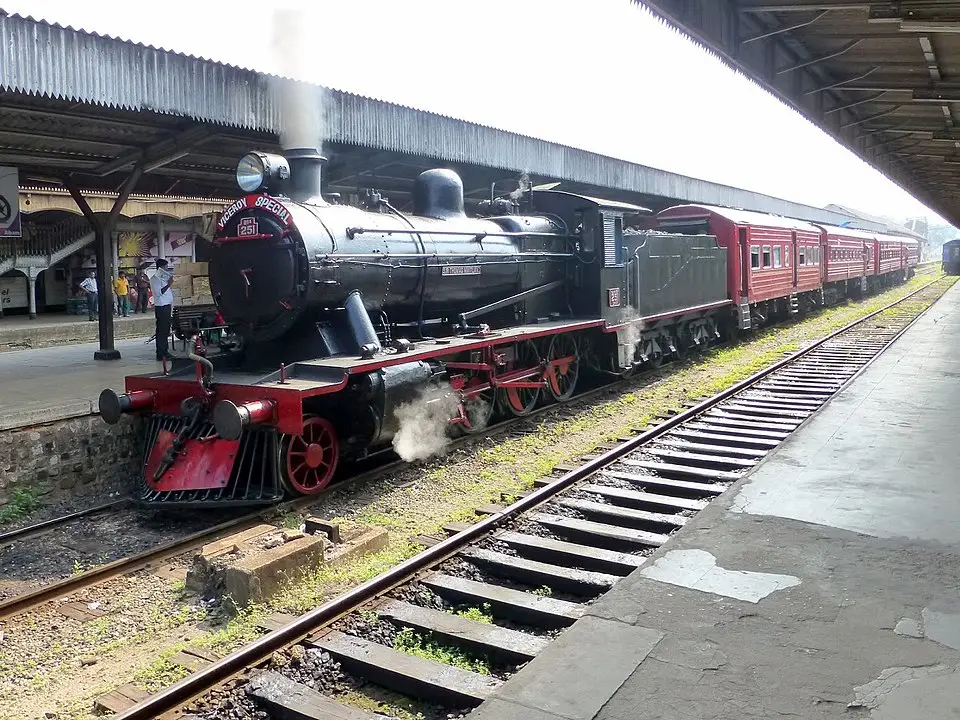
Imagine the gentle rhythmic chug of a vintage steam locomotive, the soft scent of polished wood, and the panoramic vistas of emerald tea estates unfurling outside your window. This is not a dream of a bygone era, but an exquisite reality aboard Sri Lanka’s renowned Viceroy Special luxury train. More than just a train journey, it’s an immersive experience, a luxurious step back in time that marries the island’s rich railway heritage with unparalleled comfort and breathtaking scenery.For both seasoned international travellers seeking a unique adventure and local rail enthusiasts yearning for nostalgia, the Viceroy Special offers an unforgettable passage through the heart of Sri Lanka. It’s a testament to the island’s enduring charm and the meticulous preservation of its colonial-era railway legacy. A Glimpse into a Bygone Era The story of Sri Lanka’s railways began in 1864, primarily constructed by the British to transport precious coffee, and later tea, from the central highlands down to the bustling port of Colombo. These early tracks carved through challenging terrain, laying the foundation for what would become one of the world’s most scenic railway networks. The Viceroy Special itself draws inspiration from this rich past, notably from the ‘SEAC Special’ used by Lord Louis Mountbatten during his time as Supreme Commander of All Forces in the South East Asian Command. Step aboard, and you are immediately transported. The Viceroy Special is Sri Lanka’s only operational vintage steam train, lovingly restored to its former glory. You’ll find yourself surrounded by the elegant charm of nineteenth-century period fittings: gleaming brass fixtures, rich teak paneling, and plush upholstered seating that evoke an age of refined travel. The air is often filled with a sense of history, mingled with the anticipation of the journey ahead. The Journey of Viceroy Special luxury train: Scenery and Serenity The beauty of the Viceroy Special lies not just in its luxurious interiors but in the ever-changing tapestry of landscapes it unveils. As a charter train, it has the flexibility to traverse various iconic routes across the island. Many itineraries focus on the legendary hill country, winding through verdant tea plantations, misty mountains, and past cascading waterfalls – a route frequently hailed as one of the most picturesque train journeys globally. Imagine leaning back in your comfortable seat, perhaps in an air-conditioned observation saloon, as emerald-green tea bushes stretch endlessly towards the horizon. You might spot local tea pickers diligently at work, their colourful saris adding vibrant splashes to the landscape. The train meanders through dense forests, across magnificent viaducts like the Nine Arches Bridge, and through engineering marvels such as the Demodara Loop. Beyond the hill country, coastal runs offer breathtaking glimpses of the Indian Ocean, with the gentle rhythm of waves accompanying your journey. Every turn presents a new panorama, a fresh sensory delight – the crisp mountain air, the distant call of exotic birds, and the captivating views that unfold at a leisurely pace, inviting you to truly soak it all in. Indulgence on Wheels: Dining and Comfort Luxury on the Viceroy Special extends far beyond aesthetics. It’s an all-encompassing experience designed for indulgence and relaxation. The train features well-appointed dining cars where you can savour exquisite four-course meals, blending Sri Lankan flavours with international cuisine. Imagine white linen, fine crockery, and gourmet dishes served right at your seat by attentive stewards, ensuring your culinary journey is as memorable as the scenery outside. Beyond dining, the comfort levels are exceptional. Passengers enjoy spacious, plush seating with ample legroom, and modern amenities like air-conditioning ensure a pleasant environment regardless of the tropical climate. Many carriages include a bar car, allowing you to enjoy a refreshing drink while the Sri Lankan landscape drifts by. It’s a space where you can relax, socialise, or simply lose yourself in contemplation as the world outside passes in a beautiful blur. Why Choose the Viceroy Special luxury train? Opting for the Viceroy Special is choosing more than just transportation; it’s choosing a travel philosophy. It’s for those who appreciate the journey as much as the destination, for history buffs fascinated by the island’s colonial past, and for romantics seeking a unique and intimate escape. It offers a perspective of Sri Lanka that is impossible to replicate by road, showcasing hidden valleys, remote villages, and engineering feats that are integral to the island’s identity. Furthermore, by experiencing this heritage service, you contribute to the preservation of Sri Lanka’s invaluable railway history. Planning Your Luxurious Adventure Ready to embark on this extraordinary journey? The Viceroy Special typically operates on a charter basis, meaning it can be booked for private groups or as part of specialised tour packages offered by operators like J.F. Tours & Travels (Ceylon) Ltd. It’s essential to plan and book your experience well in advance, especially if you have specific dates or routes in mind. Consider the time of year – while Sri Lanka is a year-round destination, certain seasons might offer different weather patterns in the hill country. For practical tips, remember to pack layers for the varying temperatures, especially if traversing the cooler highlands. Don’t forget your camera to capture the unparalleled views, and simply prepare to disconnect and immerse yourself in the magic of slow travel. While some public trains offer a more rustic experience for a modest fare, the Viceroy Special promises a distinct blend of comfort, history, and bespoke service. An Unforgettable Sri Lankan Memory The Viceroy Special is truly a jewel in the crown of Sri Lankan travel. It’s an invitation to slow down, to savour every moment, and to connect with the island’s soul in a way that is both grand and intimately personal. Whether you dream of tracing the historic tea routes or simply wish to indulge in the elegance of a bygone era, a journey on the Viceroy Special promises not just a trip, but a cherished memory that will last a lifetime. Come, let the rhythmic sway of the train carry you through the wonders of Sri Lanka, one luxurious moment at
Beyond the Rails: Exploring Wellness and Culture in Sri Lanka by Train
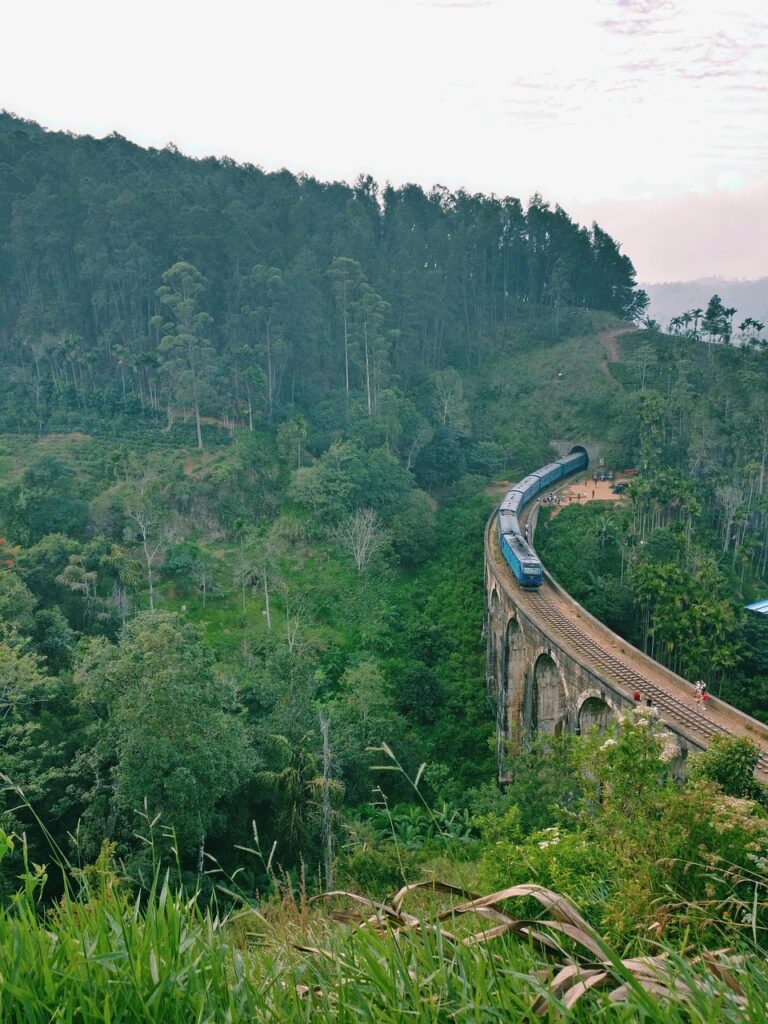
Imagine a journey where the rhythmic lull of a train carries you not just across breathtaking landscapes, but into the very heart of tranquility and ancient traditions. Sri Lanka, the teardrop isle, offers an unparalleled opportunity for such an adventure. While our scenic railways are celebrated worldwide for their beauty, the magic truly unfolds when you step off the train and delve into the unique sri lankan wellness and cultural experiences awaiting in destinations accessible by rail. From the mist-shrouded highlands to the sun-kissed southern coast, Sri Lanka’s train network, established during the colonial era primarily for transporting tea and coffee, has evolved into an integral part of daily life and a gateway for travelers seeking an authentic, immersive experience. These journeys allow you to connect with locals and soak in the everyday rhythms of the island. This article invites you to discover how a Sri Lankan train journey can be the start of a profound exploration into holistic well-being and a vibrant cultural tapestry. Ella: Hill Country Serenity and Natural Rejuvenation The journey to Ella is, for many, the quintessential Sri Lankan rail experience. As your train meanders through emerald-green tea plantations, past cascading waterfalls, and over dramatic viaducts like the iconic Nine Arch Bridge, a sense of calm washes over you. The cool, crisp air of the hill country invigorates the senses, preparing you for the wellness and cultural treasures of Ella itself. Once disembarked, Ella offers a relaxed pace perfect for rejuvenation. Hike to Little Adam’s Peak for panoramic vistas that stretch for miles, or challenge yourself with the more strenuous trek to Ella Rock. The physical activity, combined with the fresh mountain air and stunning scenery, is a natural balm for the soul. For deeper relaxation, many guesthouses and retreats in Ella offer yoga and meditation sessions amidst serene natural surroundings, often incorporating traditional Ayurvedic treatments. Culturally, Ella immerses you in the heart of Sri Lanka’s famed tea industry. A visit to a local tea factory provides insight into the intricate process from leaf to cup, allowing you to taste and appreciate the island’s most famous export. The friendly locals and vibrant café culture further enrich the experience, making Ella a perfect spot to unwind and absorb local life. Kandy: The Spiritual Heartbeat Departing from Colombo Fort or Ella, the train journey to Kandy delivers you to the last royal capital of Sri Lanka, a city cradled amongst hills and wrapped around a tranquil lake. Kandy is a city where history and spirituality intertwine, making it a compelling destination for cultural immersion. At the heart of Kandy lies the revered Temple of the Sacred Tooth Relic, one of Buddhism’s most sacred shrines, believed to house a relic of the Buddha himself. Witnessing the vibrant daily pujas (offerings) fills the air with the fragrance of lotus flowers and the rhythmic beat of traditional drumming, a truly moving cultural experience. Beyond the temple, explore the city on foot, taking leisurely strolls around Kandy Lake or discovering the local markets brimming with spices and crafts. For wellness, Kandy also offers various Ayurvedic centers, continuing Sri Lanka’s ancient healing traditions. The serene environment and spiritual energy of the city provide a profound sense of inner peace, complementing any wellness journey. Galle: Coastal Charm and Colonial Echoes Switching to the southern coastal line from Colombo offers a distinctly different, yet equally enriching, rail adventure. The journey provides panoramic views of the Indian Ocean, with golden beaches and swaying coconut palms flashing past your window. Your destination: Galle, a UNESCO World Heritage-listed fortress city that exudes colonial charm. Stepping into Galle Fort is like stepping back in time. Its cobblestone lanes, Dutch-era architecture, and imposing ramparts tell tales of centuries past. Exploring the fort on foot, you’ll discover quaint artisan shops, vibrant art galleries, and charming cafes. The blend of history, architecture, and contemporary local life is captivating. For wellness, the coastal breezes and the laid-back atmosphere of Galle naturally encourage relaxation. Nearby beaches like Unawatuna, easily accessible by a short ride, offer opportunities for swimming, surfing, and yoga retreats, providing a perfect balance to your cultural explorations. Indulge in fresh seafood, a simple yet profound pleasure that nourishes both body and mind. Anuradhapura & Polonnaruwa: Journey to Ancient Kingdoms For those drawn to the echoes of ancient civilizations, the northern railway lines can transport you to the vicinity of Sri Lanka’s majestic ancient capitals. While not directly stopping within the sites, trains to destinations like Anuradhapura offer convenient access to these historical marvels. Anuradhapura, the first ancient kingdom, is a vast complex of stupas, ancient reservoirs, and sacred sites that have been places of worship for millennia. Exploring these hallowed grounds, you’ll feel a deep connection to the island’s spiritual heritage. Polonnaruwa, the second ancient capital, boasts remarkably well-preserved ruins, including the iconic Gal Vihara rock-cut Buddha statues and the majestic Royal Palace. Renting bicycles is a popular way to explore these expansive sites, adding an active, refreshing element to your historical journey. The sheer scale and historical depth of these sites evoke a sense of awe and quiet contemplation, offering a unique form of spiritual wellness as you wander among the remnants of a glorious past. Embrace the Journey Sri Lanka’s railway system offers more than just transportation; it’s a journey into the soul of the island. Each destination, easily accessible by train, presents a unique blend of wellness and cultural immersion, inviting you to slow down, connect with the local pulse, and discover a deeper sense of well-being. Whether you’re a seasoned international traveler or a local rail enthusiast, these routes promise an unforgettable adventure. So, pack your bags, embrace the rhythmic clatter of the tracks, and let Sri Lankan Railways guide you to experiences that lie truly “beyond the rails.”
Nine Arch Bridge in Ella: An Updated 2025 Guide for Stunning Photography
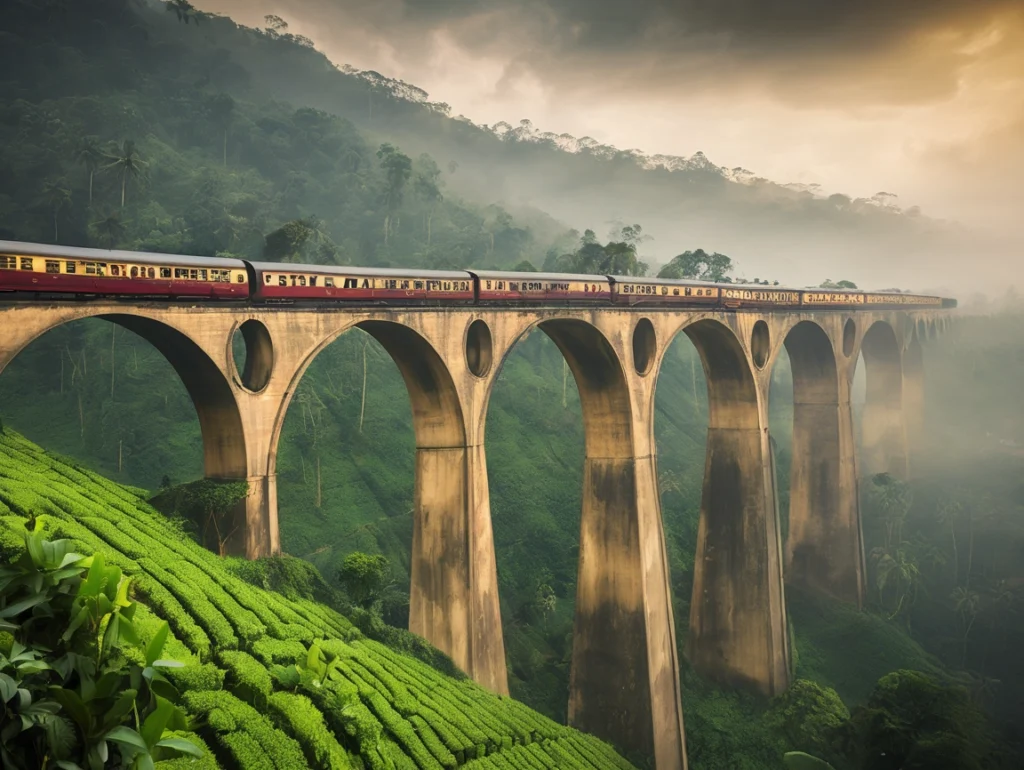
Nestled amidst the emerald embrace of Sri Lanka’s central highlands, where misty peaks meet verdant tea plantations, stands an architectural marvel that has captivated hearts and cameras for over a century: the Nine Arch Bridge in Ella. More than just a railway viaduct, this “Bridge in the Sky” is a testament to human ingenuity and a beacon for travelers seeking breathtaking vistas and iconic photographic moments. As we step into 2025, the bridge continues to beckon, promising an experience that blends history, natural beauty, and the unforgettable rumble of a passing train. The Enduring Charm of a Colonial Masterpiece Often hailed as one of the finest examples of colonial-era railway construction in Sri Lanka, the Nine Arch Bridge, also locally known as ‘Arukku Namaye Palama’ (Nine Arches Bridge), boasts a fascinating history. Its construction, initiated during British rule between 1913 and 1921, faced an unexpected challenge: the outbreak of World War I led to steel supplies being diverted for the war effort. Instead of abandoning the project, a local builder named P. K. Appuhami, along with his team of villagers, rose to the occasion. They completed this engineering marvel using only locally sourced stone, bricks, and cement – without a single piece of steel. This impressive structure spans 91 meters (300 feet) across a deep valley, rising 24 meters (80 feet) high with its nine elegant arches. The legend even tells of Appuhami famously lying beneath the bridge as the first train crossed, a daring act to prove its strength and the resilience of local craftsmanship. Today, its perfectly arched windows frame the lush jungle and distant mountains, creating a scene that feels both grand and intimately connected to nature. A Photographer’s Paradise: Capturing the Magic in 2025 For any photography enthusiast, the Nine Arch Bridge offers a canvas of unparalleled beauty. The key to capturing its essence lies in timing and perspective. For those seeking soft, ethereal light and fewer crowds, an early morning visit around sunrise is highly recommended. As the first rays of dawn pierce through the mist, they bathe the bridge in a golden glow, creating a dreamlike atmosphere perfect for stunning shots. By 7 AM, crowds begin to gather, and by 10 AM, the bridge is often bustling with visitors. The ultimate photographic moment, of course, is when one of Sri Lanka’s iconic blue (or sometimes red) trains gracefully traverses the bridge. The sight of the train, snaking through the vibrant green landscape, is a spectacle to behold and photograph. Trains typically cross several times a day in both directions, between Ella and Demodara stations. While exact times can vary and are subject to the occasional Sri Lankan delay, approximate timings often cited include 6:30 AM, 9:30 AM, 11:30 AM, 3:30 PM, 4:30 PM, and 5:30 PM. For the most up-to-date schedule, it’s always best to inquire at your local accommodation or the Ella train station a day prior. Best Viewpoints for Your Lens: Photography Tip: To make your subjects pop against the dense green foliage, consider wearing bright colors like red, blue, or white for a striking contrast. If you’re a drone enthusiast, flying early in the morning can help you capture unique aerial perspectives without competing with other drones. Experiencing the Magic Beyond the Lens Visiting the Nine Arch Bridge is more than just a photo opportunity; it’s an immersion into the serene beauty and vibrant culture of Sri Lanka’s hill country. The fresh, cool air (a welcome change from the lowlands), the rustling of tea leaves, and the distant sound of a train horn create a sensory symphony. Beyond the bridge, the surrounding area is perfect for scenic walks through the jungle and tea estates. Many travelers combine their visit with hikes to nearby Ella Rock or Little Adam’s Peak, both offering panoramic views that complement the bridge experience. You’ll likely encounter local vendors selling king coconuts and snacks, adding to the authentic charm. There are also small cafes, like Asanka Cafe and Cafe Soul Ella, where you can relax with a warm cup of Ceylon tea while admiring the view. Planning Your 2025 Journey to the Bridge Ella town serves as the perfect base for visiting the Nine Arch Bridge, offering a range of accommodations for every budget. Getting to the bridge from Ella is relatively easy: Important Safety Tips: Remember, the Nine Arch Bridge is a fully active railway line. Always be alert and listen for train horns. When a train approaches, ensure you clear the tracks and move to a safe vantage point. The paths leading to and around the bridge can be slippery and muddy, especially after rain, so wear sturdy, closed-toe shoes. While rare, keep an eye out for leeches in wet conditions. A Timeless Icon Awaiting Your Visit The best time of year to visit Ella and the Nine Arch Bridge for sunny, dry weather is generally from January to May, though this is also peak tourist season. The wet season typically runs from September to December. Regardless of the season, the bridge’s majestic presence and its breathtaking surroundings make it a year-round attraction. The Nine Arch Bridge is more than just an impressive structure; it’s a symbol of Sri Lankan heritage, a whisper of history, and a vibrant part of the country’s living railway tradition. As you plan your 2025 adventures, make sure to include this iconic destination on your itinerary. Prepare your camera, embrace the journey, and create your own unforgettable memories at Ella’s legendary “Bridge in the Sky.”
A New Chapter for Sri Lanka’s Railways: Historic Maradana Station Colombo Leads the ‘Dream Destination’ Revolution
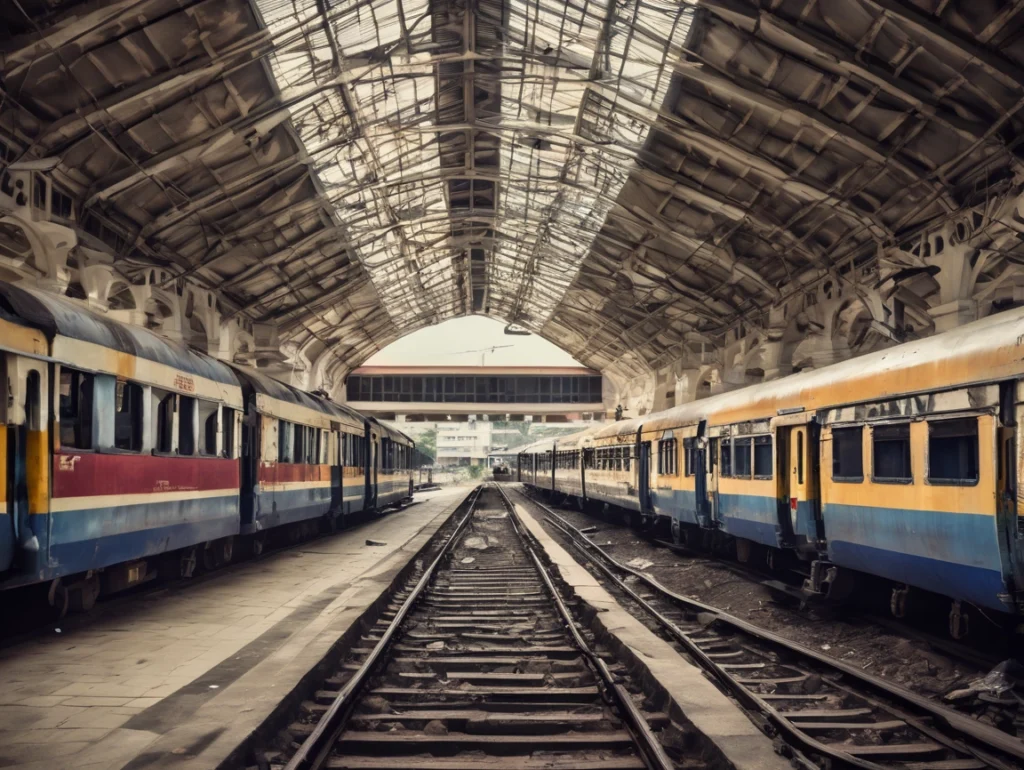
A New Chapter for Sri Lanka’s Railways is unfolding at the historic Maradana Railway Station in Colombo. President Anura Kumara Dissanayake has launched a transformative renovation project, part of the ambitious “Dream Destination” program aimed at modernizing 100 railway stations across the country. This initiative not only enhances safety and accessibility but also revitalizes public trust in Sri Lanka’s transport system. As the project begins, it promises to blend the station’s rich history with a modern vision, paving the way for a brighter, interconnected future. Discover how this landmark renovation is set to change the travel experience for millions.