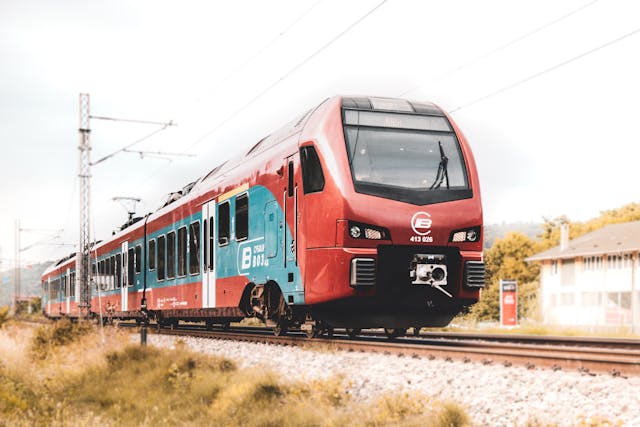
Imagine the gentle thrum of tracks beneath you, the verdant tapestry of tea plantations unfurling outside your window, or the rhythmic crash of waves accompanying your journey along the coast. For generations, Sri Lanka’s railways have offered more than just transportation; they’ve provided a poetic passage through the island’s soul. Now, as the sun rises on 2026, Sri Lanka is not merely preserving this cherished heritage but boldly charting a course towards a future of unprecedented speed and connectivity: high-speed rail on the horizon (Electric trains).
Building on a Rich Legacy: The Enduring Charm of Sri Lankan Rail
The island’s railway network, born in the colonial era, has long been a lifeline and a highlight for travelers. From the iconic ascent through the hill country to destinations like Ella and Kandy, where trains navigate misty peaks and skirt cascading waterfalls, to the scenic coastal line hugging the Indian Ocean, each journey is a sensory delight. The aroma of Ceylon tea from nearby estates, the cool mountain breeze, the vibrant colours of village life flashing by – these are the indelible memories forged on Sri Lanka’s tracks. While these experiences remain timeless, Sri Lanka Railways is actively investing in significant upgrades to enhance comfort, safety, and efficiency across its network. Efforts include modernizing signaling systems and rehabilitating tracks, increasing operating speeds on key lines to 100-120 km/h.
The 2026 Vision: Laying the Foundations for Tomorrow
The year 2026 marks a pivotal moment in the nation’s railway evolution, focusing on critical enhancements that lay the groundwork for faster, more efficient travel. A significant step forward is the Colombo Suburban Railway Project, which is slated to commence electric train services “early next year” (meaning 2027) on vital routes such as the Kelani Valley Line from Maradana to Makumbura, the Main Line from Colombo Fort to Ragama, and the Coastal Line from Colombo Fort to Panadura. This ambitious project also includes upgrading railway tracks from the existing broad gauge to standard gauge, a crucial move towards modern rail infrastructure.
Beyond electrification, the government’s vision encompasses a holistic transformation. The “Dream Destination” project, launched in June 2025, aims to renovate and modernize 100 railway stations nationwide, ensuring clean, safe, and accessible facilities for all, including those with special needs. This initiative, coupled with proposals for new railway lines, such as from Kottawa to Ratnapura, and the revival of historic tourist lines like Nuwara Eliya–Nanu Oya, underscores a commitment to expanding and enhancing the network.
Furthermore, post-disaster recovery and restoration efforts are fortifying the network, ensuring greater resilience against extreme weather events. Sri Lanka Railways aims for over 83% track availability by February 1, 2026, demonstrating a dedication to a robust and reliable service.
High-Speed on the Horizon: A Glimpse into the Future
While the immediate focus is on modernization and increasing operational speeds to 100-120 km/h, the aspiration for true high-speed rail in Sri Lanka is very much alive and “on the horizon.” Discussions are actively underway for transformative projects that could redefine intercity travel. The Sri Lanka Society of Logistics and Transport (SLSTL) has advocated for a modern, disaster-resilient rail corridor to Kandy, urging feasibility studies to commence in 2026. This proposed corridor aims to significantly reduce travel times to under 90 minutes and introduce double-track capability for up to 50 trains daily, a marked improvement from the current 20. Such a development would not only bolster tourism to the scenic hill capital but also enhance domestic connectivity.
High-speed Electric Train to India
Even more ambitious is the long-term vision of an India-Sri Lanka High-Speed Railway, which uses electric trains. This proposed project envisions an eight-track international rail corridor seamlessly linking Colombo with India’s vast railway network, potentially extending to New Delhi. Passenger services on this visionary line are projected to achieve design speeds of 300-350 km/h, marking a monumental leap in regional connectivity. While this is a grand, long-term aspiration, it reflects the nation’s forward-thinking approach to transportation infrastructure and its role in fostering greater economic and cultural integration in South Asia.
A Welcoming Journey for All: Practical Tips and Future Benefits
For international travellers and local rail enthusiasts alike, these developments promise a new era of exploration. Imagine traversing the island with greater speed and comfort, reducing travel times, and allowing more time to immerse yourselves in Sri Lanka’s wonders. The upgraded stations will offer improved amenities, making journeys smoother and more enjoyable. As the network expands and modernizes, it will integrate seamlessly with Sri Lanka’s existing charm, ensuring that while the trains become faster and more efficient, the captivating views and cultural encounters remain at the heart of the experience.
Stay tuned to SriLankanRailways.com for the latest updates on these exciting developments, including electric trains in Sri Lanka. The future of rail in Sri Lanka is not just about speed; it’s about connecting communities, boosting tourism, and propelling the nation towards a prosperous and well-connected tomorrow.
